Natural Diamonds

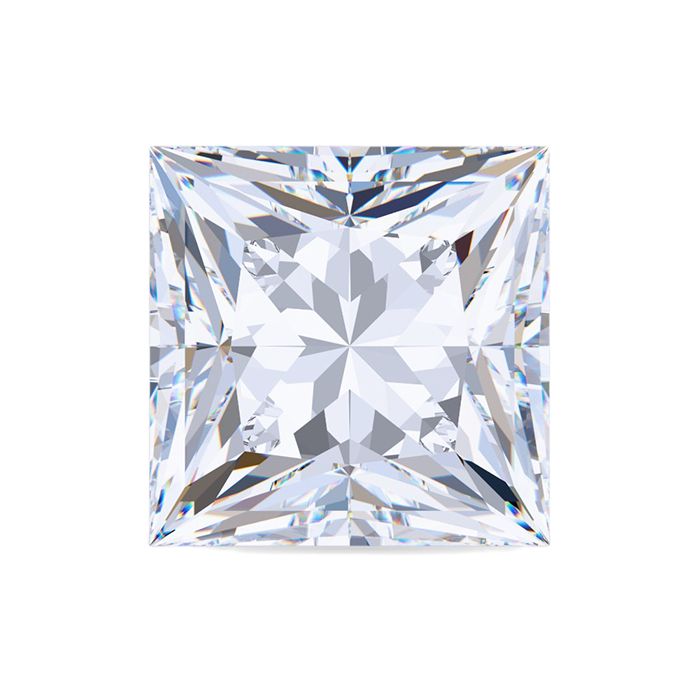
Natural diamonds are formed deep within the Earth's mantle under conditions of high pressure and high temperature. The process takes place at depths of around 140 to 190 kilometers below the Earth's surface. These conditions cause carbon atoms to bond together, forming the crystal lattice structure that we recognize as a diamond.


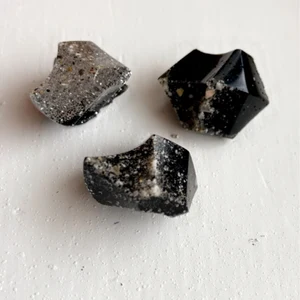
The Earth's mantle is primarily composed of solid rock, which includes minerals such as olivine, pyroxene, and garnet. Diamonds can be found within these mantle rocks, often as inclusions in minerals like garnet and pyroxene. The presence of these minerals in diamonds provides valuable information about the formation and origin of natural diamonds.


Discover the Timeless Value of Natural Diamonds

Natural diamonds formed billions of years ago, making each discovery extraordinary. Beyond their rarity, they support conservation efforts and sustain 10 million livelihoods, with up to 80% of their value benefiting local communities. A natural diamond purchase is an investment in history, sustainability, and an heirloom that will shine for generations.

Natural vs Lab Grown Diamonds

Natural Diamonds vs Lab Grown Diamonds

Understand the difference between natural diamonds and man-made laboratory grown diamonds.

Engagement Rings

Engagement Rings

Buying an engagement ring is an important decision. Read these expert tips before you visit a jewelry store.

Diamond Jewelry

Diamond Jewelry

Explore diamond jewelry essentials, current trends, and valuable shopping tips.

Proud Members & Alumni of Leading Global Organizations

Why Choose Natural Diamonds?

Timeless Rarity

Timeless Rarity

Natural diamonds are formed over billions of years deep within the Earth, making each one a rare and unique treasure.

Beauty & Quality

Beauty & Quality

Their natural origin gives them a unique charm and unmatched brilliance that symbolizes authenticity and elegance.

Value

Value

Due to their rarity and demand, natural diamonds hold strong long-term value and are often passed down as heirlooms.